Human-First AI: Why Technology Should Elevate People
The companies winning with AI aren't using it to replace people. They're using it to elevate them.

Leandro & Daniel
Human-First AI: Why Technology Should Elevate People
A sales rep opens her email. There are 47 new messages. She has 3 customer calls. And her manager wants a forecast update by noon.
Today, she’s drowning.
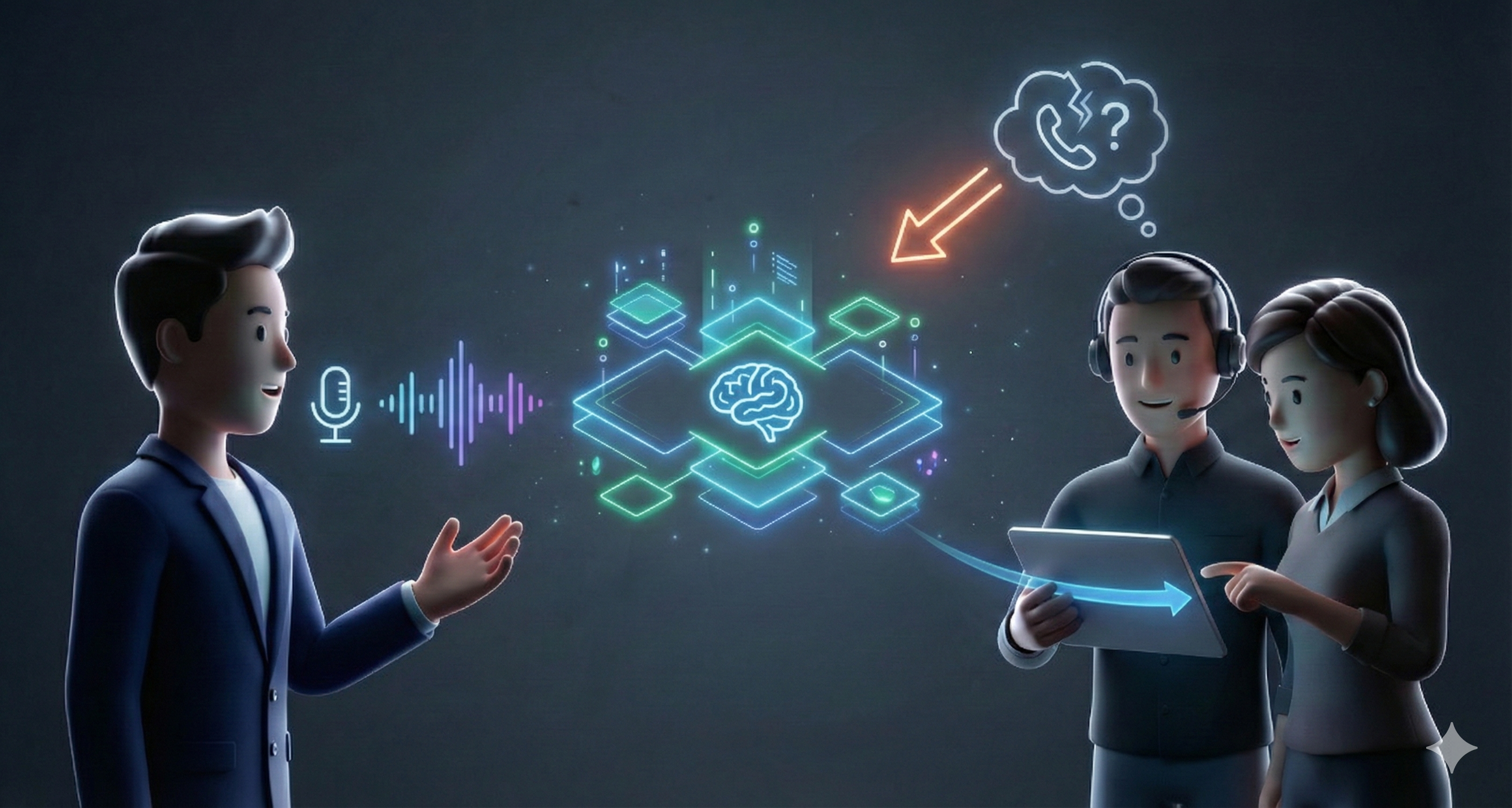
Now imagine a world where AI takes the 47 emails, reads them, prioritizes the 5 that need immediate attention, and summarizes the rest. Imagine AI reads her customer notes and flags the three most important selling points for each call. Imagine AI drafts her forecast summary in 30 seconds.
Now her day is different. She has time to think. To prepare. To be present with her customers.
That’s human-first AI.
It’s not AI that replaces people. It’s AI that removes friction so people can do their best work.
What Human-First AI Looks Like
Human-first AI is built on a fundamental premise: Technology exists to serve humans, not the other way around.
This changes everything about how you build and deploy AI:
1. The Problem AI Solves Is a Human Problem
Not: “How can we automate this process?” But: “What’s frustrating humans right now? What’s keeping them from doing their best work?”
For the sales rep, it’s not “Let’s automate email management.” It’s “She’s drowning in email. How do we make her time more valuable?“
2. Humans Remain in Control
AI surfaces information. Humans decide.
AI flags a customer as at-risk. The CS manager decides whether to intervene. AI recommends pricing. The sales leader decides whether to offer it. AI suggests a process change. The operations team decides whether to implement it.
When you remove human judgment from decisions, you get compliance, not wisdom.
3. The Interface Is Frictionless
Good human-first AI is invisible. You don’t think about the technology. You just get help when you need it.
Bad AI makes you:
- Learn a new interface
- Toggle between systems
- Explain context that the AI should understand
- Second-guess the AI’s recommendations
Human-first AI works in the tools you already use. It understands context. It explains its thinking. It earns trust.
4. It Respects Human Expertise
AI is good at:
- Finding patterns in data
- Highlighting what you might have missed
- Suggesting options
- Explaining the math
AI is not good at:
- Knowing what matters in your specific context
- Understanding the politics
- Weighing tradeoffs
- Making judgment calls
Human-first AI augments expertise. It doesn’t replace it.
Why This Matters
The alternative to human-first AI is… well, most AI today.
The Cost of AI-First Approaches
Alienation: Employees feel like they’re working for the AI, not with it. “I’m just following what the system says.”
Bad decisions: Without human judgment, you optimize for metrics that don’t matter. You cut costs but tank morale. You automate but lose insight.
Fragility: Systems built around pure automation break when something novel happens. Humans are built for novelty.
Hidden bias: When humans aren’t in the loop, bias in algorithms doesn’t get caught. It just gets systematized.
Distrust: If people don’t understand how AI made a decision that affects them, they distrust it. And they should.
The Benefits of Human-First AI
Capability amplification: Your best people become even better. They’re not blocked by routine work.
Faster decisions: Humans + data move faster than humans alone or pure automation.
Better outcomes: When humans use judgment informed by data, decisions improve.
Engagement: People feel more valued when AI handles drudgery and they focus on meaningful work.
Trust: When people understand AI and see it work well, they trust it.
How to Build Human-First AI
1. Start with Problems, Not Technology
Sit with the people doing the work. Where are they frustrated? Where are they spending time on things that don’t require their expertise? Where could they be more effective?
Write these down. These are your opportunities for human-first AI.
2. Design for Augmentation, Not Replacement
For each problem, ask: How can AI handle the routine part so humans handle the judgment part?
Not: “Replace this person” But: “Remove X% of the routine work so they can focus on Y”
3. Keep Humans in the Loop
Decide upfront where human judgment is non-negotiable. Build the interface around that.
- AI surfaces. Humans decide.
- AI drafts. Humans edit.
- AI flags. Humans investigate.
4. Make It Transparent
People should understand:
- What the AI is doing
- Why it made this suggestion
- What data it’s using
- How to override it
Transparency builds trust. And trust is where human-first AI becomes powerful.
5. Iterate with Your People
Launch with a small group. Get feedback. Adjust. Repeat.
The people doing the work are your best designers. They know what would actually help.
Examples in Practice
Example 1: Knowledge Work
Before:
- Analyst spends 6 hours a day finding and organizing data
- 2 hours a day in meetings about what data means
- 2 hours a day doing actual analysis
With human-first AI:
- AI gathers and organizes data automatically (the analyst reviews, corrects)
- 30 minutes in meetings (AI pre-summarized the findings)
- 5 hours doing actual analysis
Result: Analyst does more meaningful work, better insights, more engaged.
Example 2: Customer Service
Before:
- Rep reads email, searches for answer in knowledge base, searches in previous tickets, types response
- 15 minutes per email on average
- 40% of reps’ time is search and retrieval
With human-first AI:
- AI reads email, surfaces relevant knowledge and previous tickets, suggests draft response
- Rep reviews, personalizes, sends
- 3 minutes per email on average
- 5% of reps’ time is search and retrieval
Result: Faster responses, happier customers, reps handle more complex issues.
Example 3: Management
Before:
- Manager spends 5 hours collecting status updates before a leadership meeting
- Reports are inconsistent (someone gave detailed numbers, someone gave stories)
- Manager has to manually synthesize into a coherent picture
With human-first AI:
- AI collects status updates, standardizes format, highlights anomalies and risks
- Manager reviews the summary, adds context and perspective
- 30 minutes to prepare for meeting instead of 5 hours
Result: Better meeting insights, more time for management judgment, more engaged team.
The Bigger Idea
Human-first AI isn’t about being nice to humans. It’s about building systems that actually work.
The organizations that win aren’t those with the most automated systems. They’re those where:
- Humans + AI move together
- Technology removes friction, not judgment
- People are amplified, not replaced
- Trust is built into the system
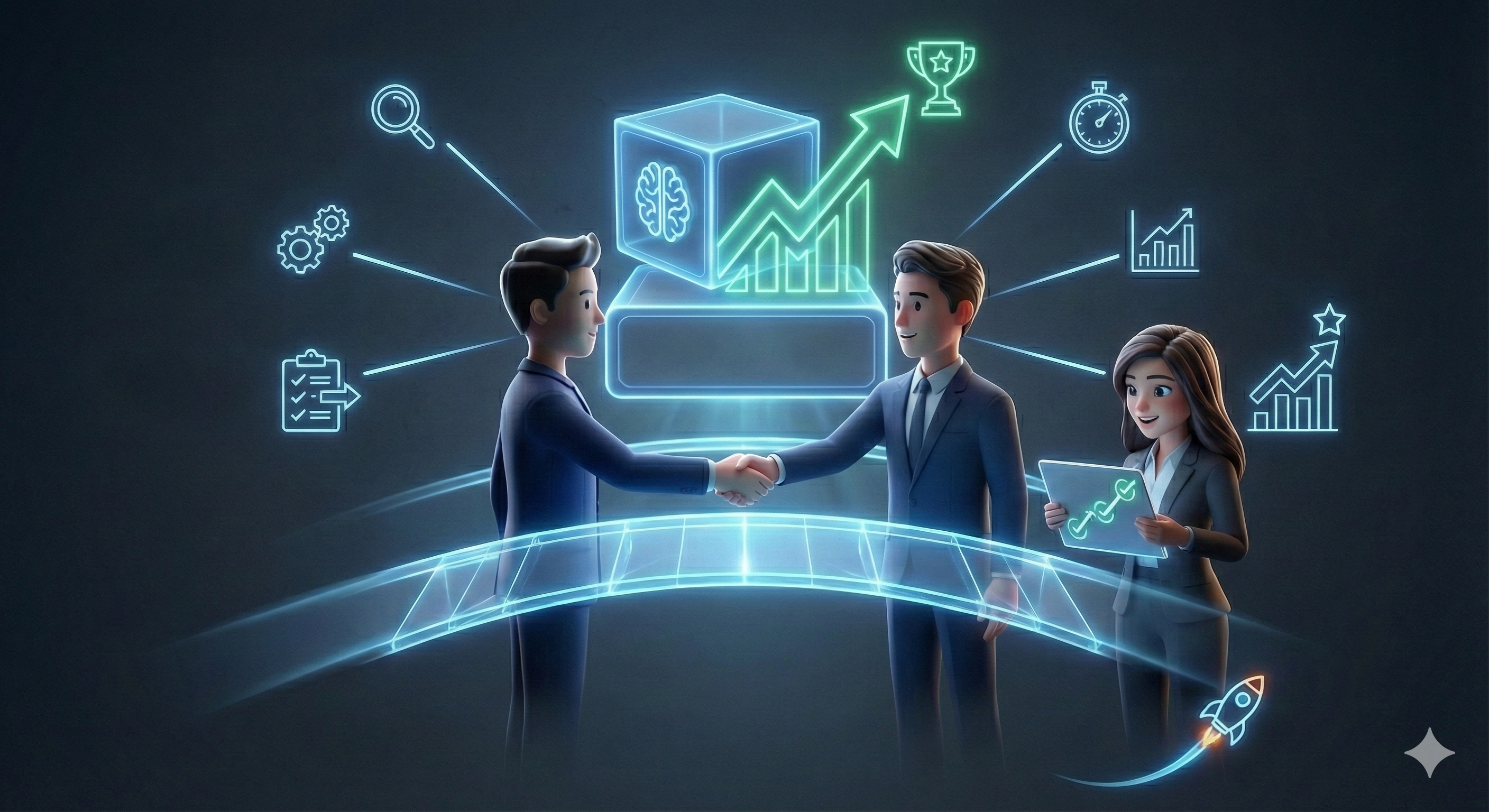
This is both more humane and better business.
What’s Next?
If you want to start building human-first AI:
-
Audit your pain. Where are your people frustrated? Where are they stuck in routine?
-
Prototype with one team. Pick one workflow. Try AI. See what helps.
-
Involve your people. Let them design the solution. They know what would actually help.
-
Measure engagement, not just efficiency. How much do people like using this? Would they recommend it?
-
Keep iterating. AI in your organization won’t be the same as AI in another. Build for your culture.
The question isn’t “How can we replace this?” It’s “How can we amplify this?” Start there.
Tagged with: